
 By
By 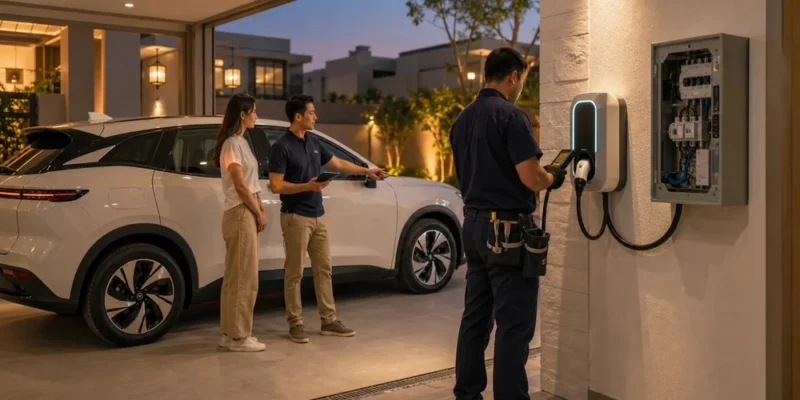
Plug-in hybrid SUVs are useful in markets where buyers like the idea of electric driving but do not yet trust the charging map. The product promise is not purity. It is flexibility: electric-style daily use when charging is convenient, petrol backup when routes become longer or less predictable. For importers, that middle position can be easier to sell than asking every SUV buyer to jump directly into a pure EV.
Why the Category Fits Uneven Infrastructure
A family buyer may want SUV space, strong air-conditioning, and highway confidence. A company-car buyer may want lower fuel use on routine routes without redesigning every trip around chargers. A market with uneven infrastructure can still participate in electrification if the vehicle does not depend on public charging every day.
That does not mean every PHEV SUV is automatically a good fit. The sales logic should be built around habits. Does the buyer have a realistic place to charge several times a week? Will short urban trips make up enough of the vehicle’s use? Does the customer understand that a PHEV’s strongest cost story depends on plugging in? These questions are more useful than quoting one headline fuel figure from another market.
What Dealers Must Verify
Importers need to watch version details carefully. Similar-looking Chinese and export-market SUVs may use different names, battery sizes, trims, connectors, infotainment packages, warranty terms, and local homologation paths. A dealer should confirm the exact unit being sourced before advertising range, charging, or equipment claims.
For broader model comparisons, Starvia’s Chinese vehicle research section gives dealers a general place to compare export-market fit across EV, PHEV, hybrid, and petrol models.
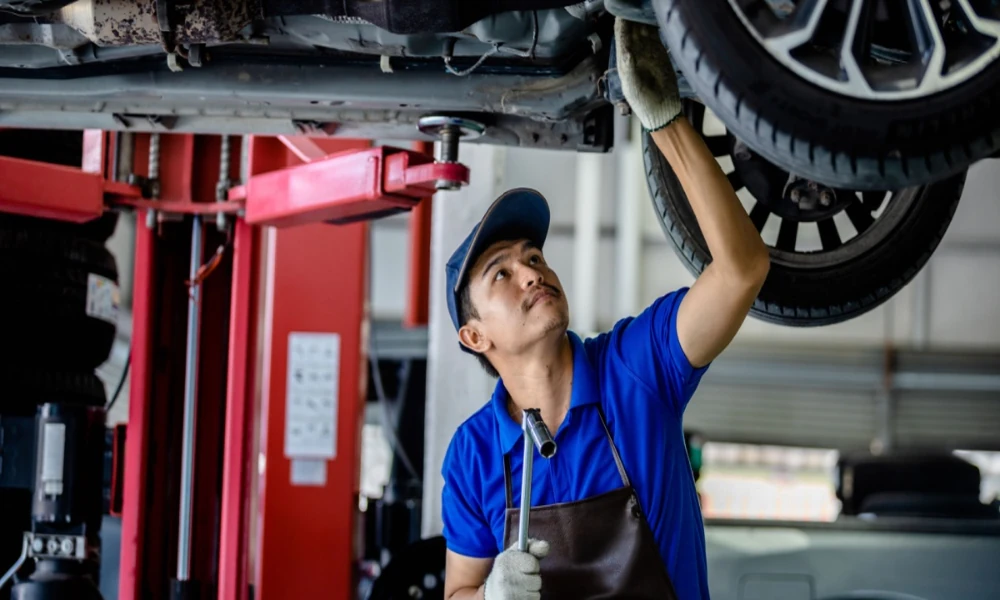
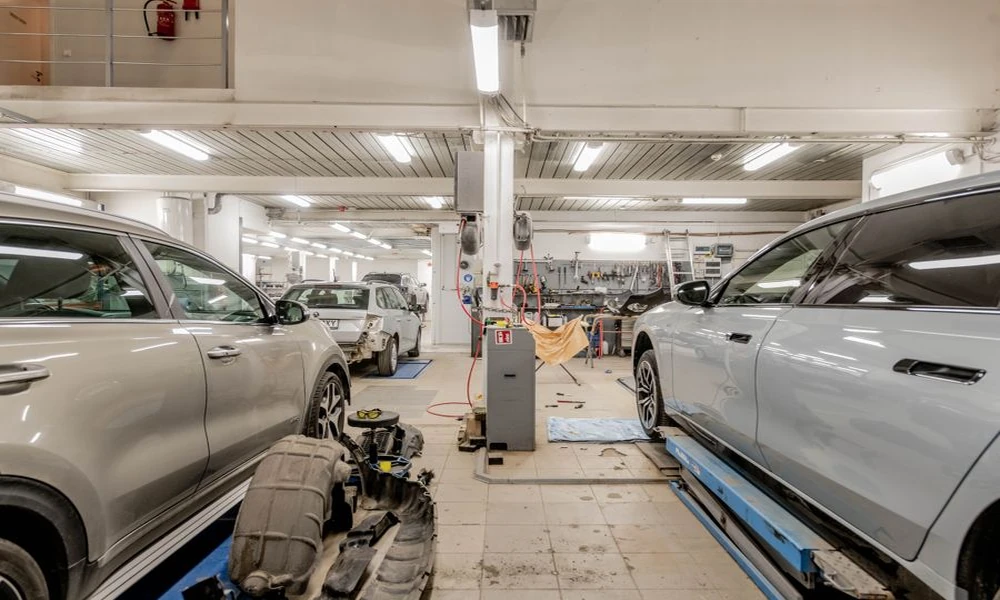
The service side also needs attention. A PHEV combines fuel and electric systems, so the dealer should know who can inspect the high-voltage components, handle routine engine service, explain battery warranty wording, and source wear parts. A vehicle that looks easy to sell can become difficult if the workshop is not ready for hybrid-specific questions.
A Bridge Product, Not a Shortcut
PHEV SUVs are also a merchandising bridge. They can sit between familiar petrol SUVs and more demanding pure EVs in the showroom. That helps sales teams educate buyers gradually: charging becomes part of the ownership routine, but not the only source of mobility. In markets where EV trust is still forming, that middle position can be commercially valuable.
The watch-out is overpromising. If the customer will never charge, the PHEV loses much of its advantage. If the dealer cannot service the hybrid system or explain battery warranty clearly, confidence weakens. The right buyer is not everyone; it is the buyer whose daily use lets the electric side matter while still needing route flexibility.
The dealership also needs the right explanation materials. A PHEV buyer should understand charging frequency, fuel use when the battery is low, routine maintenance, battery warranty terms, and what figures come from which test cycle. Staff should avoid mixing test-cycle claims from different standards, because that creates confusion and weakens trust. The better approach is to describe current local use cases: school runs, office commutes, weekend highway trips, and periods when charging is convenient.
For stock planning, PHEV SUVs can be useful as a bridge category. They let a dealer test new-energy demand among SUV buyers while avoiding some of the infrastructure friction of pure EVs. The importer still has to confirm parts, trim, connector, warranty, and service readiness, but the sales conversation is often easier in a charging-uneven market.
For importers comparing a specific bridge product, Starvia’s Vehicle Research piece on BYD Song Plus DM-i for export markets offers further reading on how this PHEV SUV fits charging-uneven markets.




Comments