
 By
By 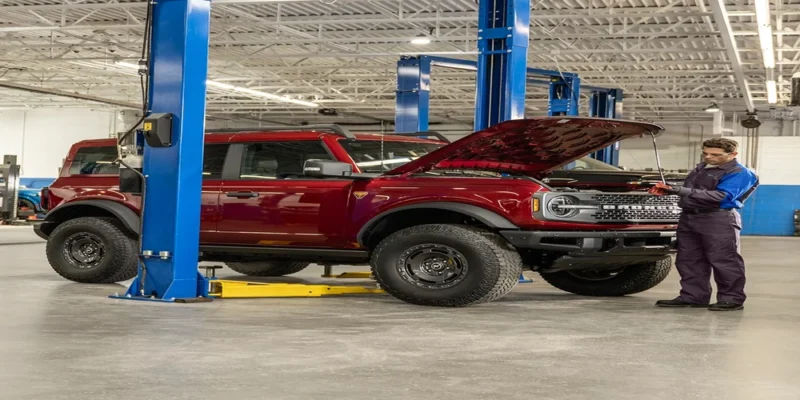
Ford owners can make a workshop visit more useful by knowing what signs, symptoms, and service needs to mention before booking. A vehicle may still drive normally while developing small issues, so paying attention to changes in performance, sounds, warning lights, or fluid levels can help the mechanic understand what needs to be checked.
Being prepared before a service can also save time and reduce confusion. The more clearly a driver can describe what the vehicle is doing, when the issue started and how often it happens, the easier it is for the workshop to inspect the right areas. This can lead to more accurate diagnostics and better repair decisions.
Why Choosing a Ford mechanic in Sydney Can Help
Choosing a Ford mechanic Sydney can help with brand-specific servicing, diagnostics and repair advice. Ford vehicles may have particular service requirements depending on the model, engine type, transmission and age of the vehicle. A mechanic familiar with Ford systems can better understand common patterns, service intervals and diagnostic needs.
Brand-specific experience can be especially useful when dealing with warning lights, drivability issues, electronic faults or transmission concerns. Modern vehicles use sensors, modules and onboard computers, so proper diagnostic tools and vehicle knowledge are important.
A mechanic who regularly works on Ford vehicles may be able to identify likely causes more efficiently while still carrying out the right checks to confirm the issue.
Common Ford Issues Drivers May Notice
Before booking a service, Ford owners should take note of any unusual behaviour. Warning lights on the dashboard should always be mentioned, even if they appear briefly or the car still drives normally. Engine, brake, oil, coolant, battery or transmission warnings can all indicate issues that need attention.
Rough idling is another symptom worth reporting. If the vehicle shakes, vibrates, stalls or feels uneven while stopped, there may be an issue with the engine, fuel system, ignition system, sensors or airflow components.
Brake concerns should also be taken seriously. Squealing, grinding, vibration, a soft pedal or longer stopping distance can all indicate wear or faults in the braking system. Fluid leaks under the vehicle, unusual smells, overheating or transmission hesitation should also be mentioned when booking.
Why It Helps to Note When the Problem Started
When describing a vehicle issue, timing matters. Drivers should try to remember when the problem first appeared and whether it has become worse over time. This information can help the mechanic understand whether the issue is sudden, intermittent or developing gradually.
It is also useful to note when the problem occurs. For example, does the vehicle hesitate when cold, during acceleration, when changing gears or after driving for a while? Does the warning light appear during short trips, long drives, wet weather or stop-start traffic?
These details can guide the inspection and reduce the chance of missed symptoms. A Ford mechanic in Sydney can use this information alongside diagnostic testing to better understand how the vehicle is behaving under real driving conditions.
How Proper Diagnostics Prevent Unnecessary Guesswork
Modern Ford vehicles often require proper diagnostic equipment to identify faults accurately. Many issues may trigger fault codes, but those codes are only part of the picture. A warning light may point towards a system, but further testing is often needed to confirm the exact cause.
Without proper diagnostics, repairs can become guesswork. Replacing parts without confirming the fault may waste time and money, especially if the real issue is related to wiring, sensors, software, fluid levels or another connected component.
A professional inspection can combine scan tool data, visual checks, road testing and mechanical assessment. This helps ensure the repair approach is based on evidence rather than assumptions.
Why Regular Servicing Keeps Ford Vehicles Reliable
Regular servicing plays an important role in keeping Ford vehicles reliable for daily driving. Routine maintenance allows key areas such as engine oil, filters, brakes, tyres, fluids, belts, hoses and suspension components to be checked before problems become serious.
Skipping or delaying services can allow small issues to build up. Old oil may reduce engine protection, dirty filters can affect performance, low fluids can create wear and worn brakes can reduce safety. Regular inspections give mechanics the chance to identify these concerns early.
Booking with a Ford mechanic in Sydney can help ensure the service is carried out with the vehicle’s needs in mind. This may include checking model-specific service items, using suitable parts and fluids, and following the appropriate maintenance schedule.
What to Tell the Workshop Before the Service
Before booking, Ford owners should prepare a simple list of symptoms or concerns. This may include warning lights, noises, leaks, changes in fuel economy, rough running, poor braking, overheating, hard starting or transmission hesitation.
Drivers should also mention recent repairs, long trips, towing, heavy traffic use or any changes in how the vehicle is driven. These details can help the workshop understand the vehicle’s recent history and possible causes of wear.
Clear communication helps the mechanic inspect the right areas and provide more accurate advice. It also helps avoid misunderstandings about what the driver has noticed and what needs to be checked.
Conclusion
Ford owners can get more value from their next service by paying attention to symptoms before booking. Warning lights, rough idling, brake concerns, fluid leaks, transmission hesitation and unusual noises should all be reported clearly. Noting when the issue started and how the vehicle behaves can help the mechanic diagnose the problem properly.
Rather than waiting for small concerns to become major faults, drivers should book servicing with clear information about their vehicle’s condition. A reliable Ford mechanic Sydney can provide proper diagnostics, brand-aware servicing and practical advice to help keep Ford vehicles safe, smooth and dependable for daily driving.









Comments