
 By
1. INTRODUCTION
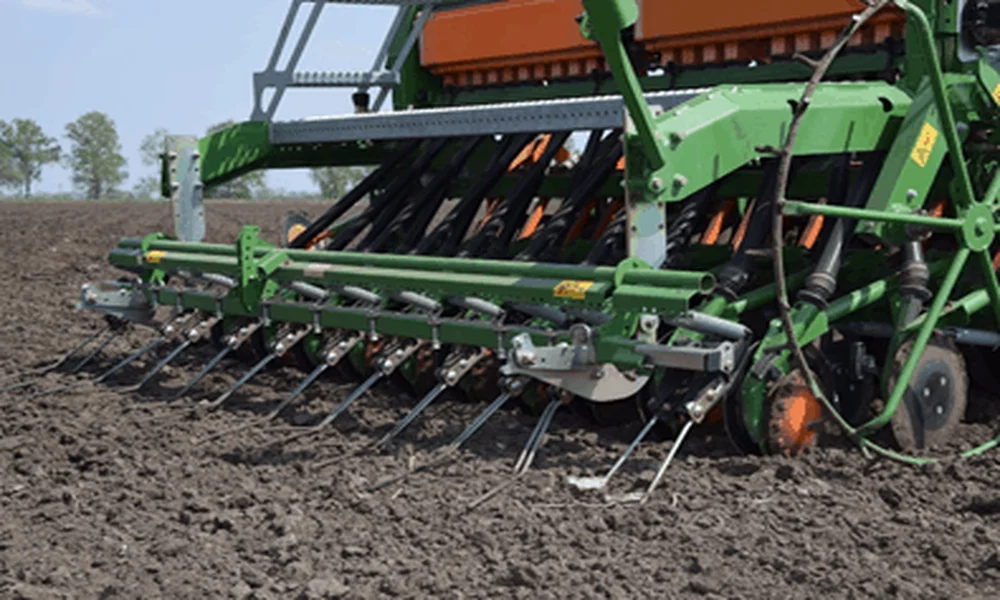
Modern-day farming practices require that each penny spent on equipment brings a farmer profit. One of the decisions every farmer has to make is whether to buy new agricultural machinery or a used one. In the case of seed drills, purchasing a new one can sometimes be an expensive endeavour. That is why buying a used drill can be a much wiser and cheaper alternative for the small-scale farmer who wants to keep investing into his enterprise.
For farms working within a careful equipment budget, used seed drills can offer a practical balance between affordability and reliable field performance. Before purchasing, farmers should evaluate the drill’s condition, previous usage, maintenance history, planting accuracy, and availability of replacement parts. A thorough inspection can help identify potential repair costs while ensuring that the equipment is capable of delivering consistent seed placement during critical planting periods.
2. WHY USED SEED DRILLS MAKE SENSE
A seed drill is one of the most important pieces of equipment when it comes to sowing seeds in a uniform pattern and correct depth. New seed drills can be very expensive, and many small or mid sized farms can’t really justify this expense. A used seed drill, preferably one that has been well maintained, will do the exact same job for a much reduced cost. This will free up resources, to be used elsewhere, such as seeds, fertilizer, labour and other farm needs.
3. LOWER DEPRECIATION COST
When it comes to new machinery, a significant amount of its value is lost right at the moment it is put into use by the new owner. Used equipment has already passed its steepest price drop, meaning its value does not depreciate as rapidly as a new purchase would, and you can be certain that, should you decide to sell it before the end of its useful life, it will still hold a decent amount of value.
4. ACCESS TO PROVEN, FIELD-TESTED MODELS
Used seed drill models have already been tested and tried by many farmers from previous years. This, therefore, makes it easier for buyers to go through research work on the performance level, frequency of repairs and general lifetime of a certain model in the field. All this combined is something that new models that have just entered the market cannot offer.
5. LOWER RISK FOR SMALL AND NEW FARMS
For a farmer that is fairly new to the game, or trying out a new crop for the first time, buying a new machine at full price could be a scary investment. With a used seed drill, they’ll get the job done right, and if they need something bigger in the future, they won’t have to waste money on a more powerful machine if they don’t need it.
6. EASIER TO MAINTAIN AND REPAIR
Many used seed drills also offer simpler mechanical designs than some of the newer, more computerized models on the market. This is actually an advantage to the farmer, because simpler machines are often quicker and easier to repair, and parts are often more plentiful and less expensive than on their high-tech counterparts. This means less downtime during the busy planting season, and more potential revenue for the crop producer.
7. CONCLUSION
Buying a used seed drill is not looking for less. It is looking for practical use in accordance with the capabilities and means of the farm. It is necessary to make a choice that can be safely made with confidence in the future – to ensure the long-term functioning of the agricultural holding and save money for more pressing needs.


Comments