
 By
By 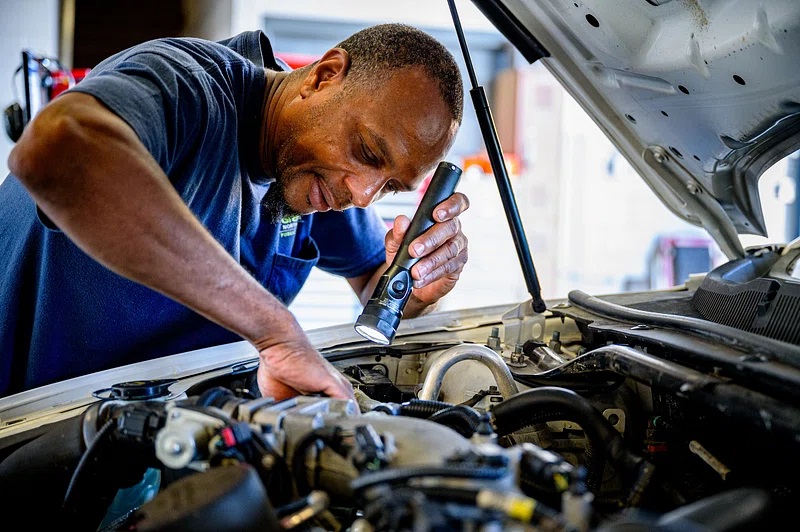
Most drivers understand that their car needs occasional attention, but many underestimate how much money a simple service schedule can save. Skipping or delaying routine maintenance might seem like a way to cut costs in the short term, but it often leads to much larger bills down the line. A small oil change today can prevent engine damage that costs thousands to fix tomorrow.
Regular servicing is not just about keeping your car running smoothly. It is about catching problems early, maintaining safety standards, and protecting the value of your vehicle. Understanding what happens during a service and why each check matters can help you make better decisions about your car’s upkeep.
What Happens During a Standard Service
A typical service involves a series of checks and replacements that keep your car in good working order. The exact tasks depend on your vehicle’s age, mileage, and manufacturer recommendations, but most services follow a similar pattern.
Technicians inspect fluid levels, including engine oil, coolant, brake fluid, and windscreen wash. They check the condition of belts, hoses, and filters. Brake pads, discs, and tyres are examined for wear. Lights, wipers, and battery health are tested. Any worn or damaged parts are flagged for replacement.
These checks might seem routine, but they catch issues before they escalate. A frayed belt can snap and cause engine failure. Low brake fluid can compromise stopping power. A dirty air filter reduces fuel efficiency and engine performance. Addressing these problems early is far cheaper than dealing with the consequences of neglect.
How Preventive Maintenance Saves Money
The financial benefit of regular servicing is straightforward. Small repairs cost less than large ones, and prevention is almost always cheaper than cure. Consider the difference between replacing a worn timing belt and repairing an engine that has seized because the belt snapped. The first might cost a few hundred euro, while the second could run into thousands.
Regular oil changes are a perfect example. Engine oil lubricates moving parts and prevents friction that can cause overheating and wear. Old or dirty oil loses its effectiveness, and running an engine without proper lubrication can cause permanent damage. Replacing oil and filters at the recommended intervals protects the engine and extends its life.
Brake maintenance follows the same logic. Worn brake pads can damage the discs if left unchecked. Replacing pads is a simple job, but replacing discs is more expensive. Ignoring brake wear can also compromise safety and lead to MOT or NCT failures, which bring additional costs and inconvenience.
The Link Between Servicing and Safety
A well-maintained car is a safer car. Faulty brakes, worn tyres, and failing lights all increase the risk of accidents. Regular servicing ensures that these critical systems are working properly and that any defects are identified before they become dangerous.
Tyre checks are particularly important. Tyres with insufficient tread or incorrect pressure affect handling, braking distance, and fuel consumption. Servicing includes tyre inspections that help you stay within legal limits and reduce the chance of a blowout or skid.
Suspension and steering components also receive attention during a service. Worn shock absorbers or loose steering parts can make a car harder to control, especially in poor weather. Catching these issues early protects you and other road users.
A Real-World Scenario
Imagine a driver who postpones their annual service to save money. Six months later, the car starts overheating on the motorway. The cause is a coolant leak that could have been spotted during a routine inspection. The overheating damages the cylinder head gasket, and the repair bill comes to over two thousand euro. The cost of the missed service was a fraction of that amount.
This scenario is common. Small leaks, worn belts, and failing sensors often give warning signs that a technician will notice during a service. Ignoring these signs turns minor issues into major failures. The financial impact can be significant, and the inconvenience of a breakdown adds stress and lost time.
Maintaining Resale Value
A complete service history makes your car more attractive to buyers. It shows that the vehicle has been looked after and that potential problems have been addressed. Cars with documented maintenance records tend to sell faster and command higher prices than those without.
Buyers are wary of vehicles with gaps in their service history. Missing records raise questions about hidden faults and deferred maintenance. Even if your car is in good condition, the absence of proof can lower its value and make it harder to sell.
Keeping up with servicing is an investment in your car’s future value. It also gives you confidence that the vehicle is reliable and less likely to let you down.
Understanding Service Intervals
Most manufacturers recommend servicing every year or after a set number of miles, whichever comes first. Typical intervals are 12 months or 10,000 to 15,000 miles, but this varies depending on the make and model. Some modern cars have variable service intervals based on driving conditions and oil quality sensors.
It is important to follow the schedule in your owner’s manual. Driving in stop-start traffic, making short journeys, or towing heavy loads can put extra strain on your car and may require more frequent servicing. Ignoring the manufacturer’s guidance can void your warranty and lead to premature wear.
If you are unsure about your car’s service needs, a qualified technician can advise you based on your driving habits and the vehicle’s condition.
What to Look for in a Service Provider
Choosing the right garage or service centre matters. Look for technicians who are qualified and experienced with your type of vehicle. Ask about the parts they use and whether they follow manufacturer specifications. A reputable provider will be transparent about costs and explain what work is needed.
Some drivers prefer main dealers, while others use independent garages. Both can offer good service, but it is worth checking reviews and asking for recommendations. A trustworthy technician will not push unnecessary work and will help you prioritise repairs based on safety and urgency.
Keeping records of all servicing and repairs is also important. This documentation supports warranty claims, helps with resale, and gives you a clear picture of your car’s maintenance history.
Simple Checks Between Services
While professional servicing is essential, there are basic checks you can do yourself to keep your car in good shape between visits. Regularly checking tyre pressure, topping up fluids, and testing lights takes only a few minutes and can prevent problems from developing.
Pay attention to warning lights on your dashboard. If a light comes on, do not ignore it. Some warnings indicate minor issues, but others signal serious faults that need immediate attention. Addressing these promptly can prevent damage and keep repair costs down.
Listening to your car is also important. Unusual noises, vibrations, or changes in performance are often early signs of trouble. If something does not feel right, it is worth getting it checked rather than waiting for your next scheduled service.
Taking a proactive approach to car care makes a real difference. Regular servicing protects your investment, keeps you safe, and saves money in the long run. If you want to build confidence in looking after your vehicle, a car servicing and maintenance guide can help you understand what to watch for and when to seek professional help.
A well-maintained car is more reliable, safer, and cheaper to run. Staying on top of servicing is one of the simplest and most effective ways to protect yourself from unexpected breakdowns and expensive repairs.






Comments