
 By
By 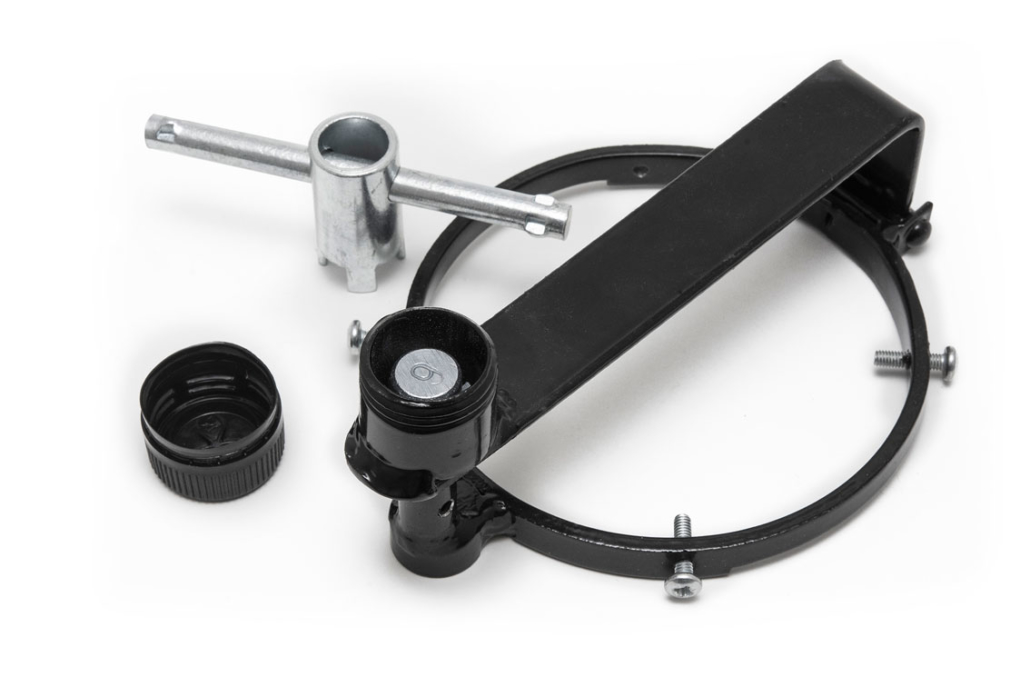
Fuel caps are important components always. They maintain fuel system integrity perfectly. Proper sealing prevents harmful vapor loss quickly. Emissions standards demand tight closures now. Latch mechanisms secure the filler neck door well. Expert evaluation ensures reliable function always. Engineers assess physical engagement points carefully. They look at material quality too often. Durability is a key consideration always now. Poor latches cause serious operational problems. They often lead to potential fuel theft risks. Fuel vapors escape into the atmosphere easily. This leakage harms the environment greatly now. A precise physical fit is necessary always. Hudson Automotive often sees these latch faults. Technicians check the retaining clips carefully often. This initial assessment is very vital. The mechanism prevents accidental opening always. System reliability protects vehicle owners greatly.
Core Mechanical Retention Design
The primary engagement point is truly crucial. A spring-loaded pin usually extends outward. This pin enters a predefined aperture opening. The filler door stays locked securely always. Actuator alignment must be totally perfect. Misalignment causes difficult binding issues. The keeper striking plate receives the pin end. Plate material resists heavy wear successfully. Engineers evaluate latch rebound forces carefully. Excessive force stresses plastic parts quickly. Retention strength determines system security reliably. Weak latches fail when bumped too hard. Strong mechanisms need smooth release action. The solenoid controls pin movement precisely now. Electrical failure stops the latch function completely. This mechanism must withstand roadway vibration greatly. Cold weather affects pin movement severely. Regular inspection prevents very early failure.
Gasket Pressure and Seating Force
Cap retention differs from the exterior door latch. The actual cap usually screws into place securely. Threads must engage cleanly every single time. A positive stop prevents dangerous overtightening. The sealing gasket sits beneath the cap lip. This rubber seal stops fuel evaporation leakage. Gasket compression maintains vapor system integrity well. Too little pressure creates leakage paths easily. Too much pressure damages thread components rapidly. Experts measure the necessary seating force quickly. Proper retention components resist hard jarring. They must endure extreme temperature swings now. Hudson Automotive, the Auto Repair in Hudson, IA based service checks cap thread health routinely. Damaged threads require immediate replacement always. Proper tension ensures full compliance is met. Safety standards depend heavily on this seal condition.
Material Selection for Durability
Latch components use specialized polymer materials. These materials resist harsh fuel vapors greatly. Plastic degradation causes mechanism stickiness quickly. Metal springs ensure fast return action successfully. Spring fatigue reduces locking effectiveness severely now. Components must withstand freeze thaw cycles always. Engineers select polymers for necessary stiffness. They choose materials based on low friction needs. Low friction ensures smooth actuator motion always. Metal parts typically offer higher strength levels. Corrosion resistance is paramount in this area. Fuel additives increase internal chemical stress greatly. Experts simulate necessary long term aging effects.









Comments